
Book a Physio for Post-Op Rehabilitation
At Lilyfield Physiotherapy, your recovery is supported by a team with extensive experience in post-operative care. Led by Karen Westcott, our team brings decades of expertise in musculoskeletal, orthopaedic, and sports rehabilitation.
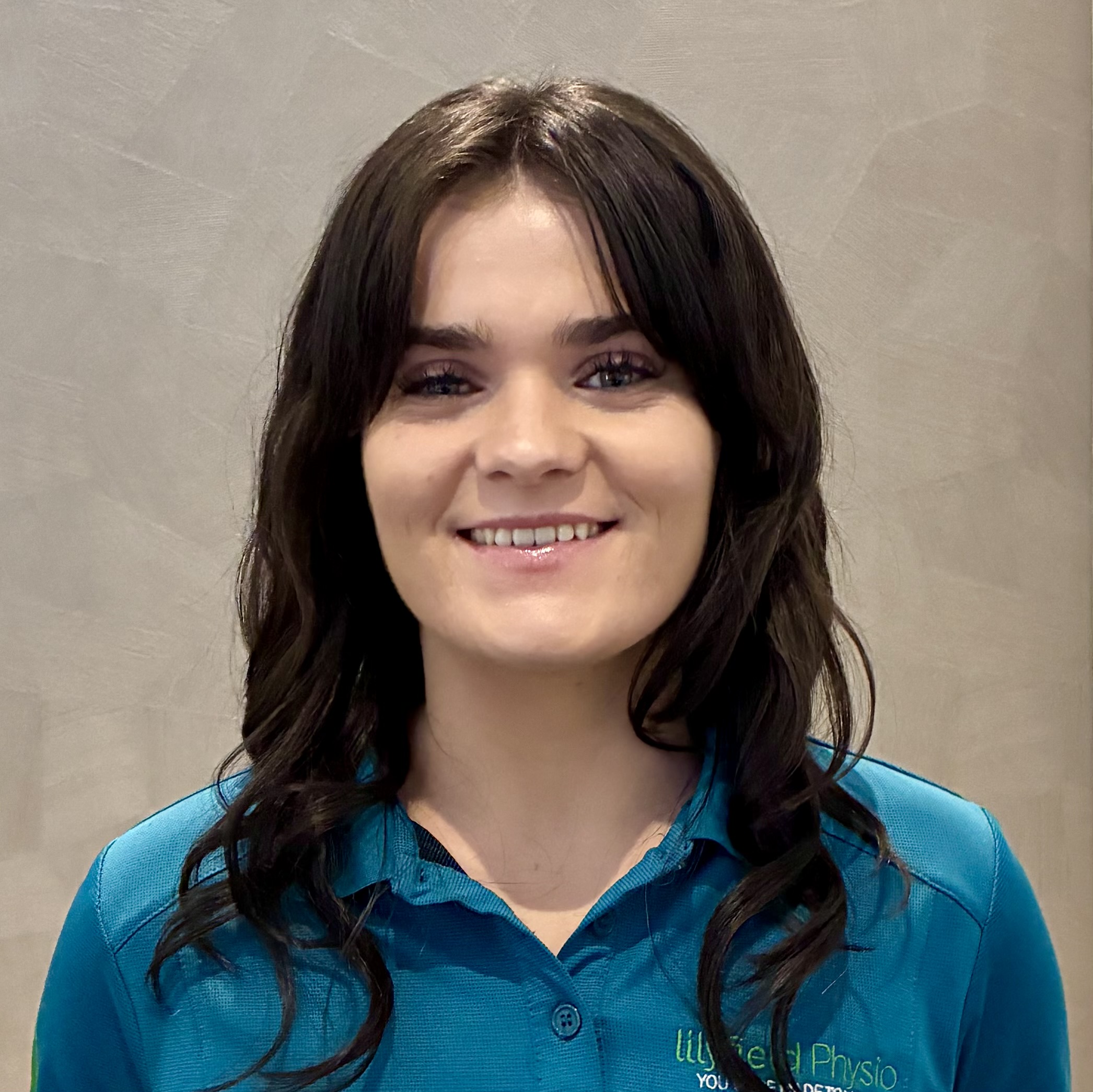
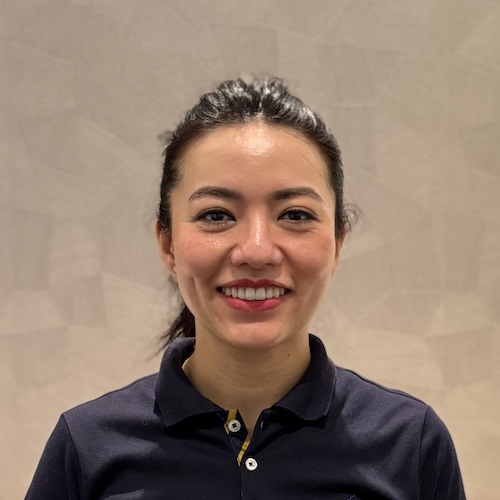
She is supported by our physiotherapists Niamh Davies and Gurasees Bajwa, as well as our Exercise Physiologist, Angel Nang, ensuring every patient benefits from tailored, evidence-based care.
We coordinate closely with your surgeon and GP, follow post-surgical protocols, and adapt each program to your needs and goals, helping you recover safely and return to the activities that matter most.
You’ll find us at:
- Mon – Tue: 7:00 AM – 7:00 PM
- Wed: 7:00 AM – 7:30 PM
- Thu: 7:00 AM – 6:00 PM
- Fri: 7:00 AM – 4:00 PM
- Sat: 8:00 AM – 1:00 PM
- Sun: Closed
Post-Surgery Pathways
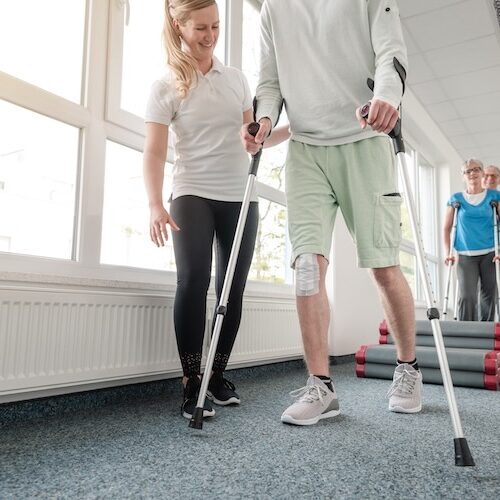
Your plan is tailored to your procedure, surgeon protocol, and goals. Below are common pathways we manage, including but not limited to the examples listed.
- Common surgeries we treat include: ACL reconstruction, meniscal procedures, total knee replacement.
- Early goals: Swelling control, quadriceps activation, full knee extension, protected flexion range, normalised gait.
- Progressions: Closed-chain strength, hip and calf strengthening, balance and perturbation training, step and squat mechanics, bike or rower as cleared.
- Milestones: Early extension restoration, symmetrical gait by Weeks 4–6, progressive loading from Weeks 6–12, criteria-based return to running and sport with surgeon clearance.
- Common surgeries we treat include: Total hip replacement, hip arthroscopy.
- Early goals: Pain and swelling control, safe bed mobility and transfers, adherence to any movement precautions, gait with aids.
- Progressions: Gluteal and deep rotator activation, hip extension patterning, step mechanics, balance drills, walking endurance.
- Milestones: Independent community walking around Weeks 4–6, stronger single-leg control by Weeks 8–12, return to low-impact sport once criteria are met.
- Common surgeries we treat include: Rotator cuff repair, shoulder stabilisation, subacromial decompression, shoulder replacement.
- Early goals: Sling use per protocol, pain control, protect repair, maintain cervical and scapular mobility.
- Progressions: Passive to active-assisted to active range as cleared, rotator cuff and scapular strengthening, thoracic mobility, functional reach.
- Milestones: Guided range over the first 6–8 weeks, progressive strengthening from Weeks 8–12, overhead endurance from Months 3–6.
- Common surgeries we treat include: Microdiscectomy, laminectomy, spinal fusion.
- Early goals: Pain modulation, wound care guidance, gradual walking tolerance, neutral spine and hip hinge strategies for daily tasks.
- Progressions: Trunk endurance, hip strength, neural mobility if indicated, graded exposure to sitting and standing.
- Milestones: Week-to-week walking increases, staged return to desk or manual work as tolerated, progressive lifting and impact only with clearance.
- Common surgeries we treat include: Achilles tendon repair, lateral ligament reconstruction, bunion and forefoot procedures.
- Early goals: Follow boot and weight-bearing rules, swelling control, safe gait with aids, early isometrics as permitted.
- Progressions: Calf complex strength and endurance, foot intrinsic training, balance and proprioception, push-off mechanics.
- Milestones: Transition out of immobilisation per protocol, restoration of single-leg calf strength, criteria-based return to impact.
- Common surgeries we treat include: Mastectomy, lumpectomy, sentinel or axillary node procedures.
- Early goals: Gentle shoulder mobility within limits, pain and swelling care, education on cording and lymphatic-friendly habits.
- Progressions: Gradual shoulder range, postural and scapular strength, fatigue management.
- Milestones: Comfortable overhead reach by Weeks 2–6, strength and endurance phases aligned with oncology care plans.
- Initial Consultation – Karen Westcott (45 mins): $185
- Assessment Consultation – Karen Westcott: $185
- Standard Consultation – Karen Westcott (30 mins): $150
- Extended Consultation – Karen Westcott (60 mins): $225
- Initial Consultation – Associate Physiotherapist (45 mins): $175
- Assessment Consultation – Associate Physiotherapist: $170
- Standard Consultation – Associate Physiotherapist (30 mins): $140
- Extended Consultation – Associate Physiotherapist (60 mins): $210
Please note: A $95 cancellation fee may apply for cancellations with less than 24 hours’ notice or missed appointments. Private health rebate applicable.
Ongoing Rehab & Exercise Classes for Post-Op Rehabilitation
In addition to one-on-one physiotherapy, Lilyfield Physio offers group rehab and exercise classes designed to support your long-term health. These classes focus on building strength, improving mobility, correcting movement patterns, and maintaining joint resilience.
With a wide range of class types and convenient times, there’s plenty of opportunity to continue progressing safely under expert guidance.


Ready to Recover with Confidence?
Your recovery doesn’t have to be overwhelming. With the right post-op physio, you can move safely, build strength, and return to the life you love. Our experienced team will guide you every step of the way, following your surgeon’s plan and tailoring treatment to your goals.
Book your post-operative physiotherapy appointment today and take the next step towards a smoother, stronger recovery.

Our Approach to Post-Op Rehab
- Thorough assessment: We review your surgical history, imaging, and protocol, and assess baseline strength, range of motion, and movement patterns to set clear, realistic goals.
- Hands-on treatment: Techniques may include joint mobilisation, soft tissue release, scar management, neural mobilisation, and gentle manual stretching to improve comfort and movement quality.
- Targeted exercise: Progressive, evidence-based exercise programs covering activation drills, strength training, balance work, and functional movement retraining to restore mobility and capacity.
- Education and planning: Home programs with clear sets, reps, and frequency, delivered via print or app, so you know exactly what to do between sessions.
- Pain and swelling management: Advice and strategies including compression, elevation, pacing, and the use of adjuncts like taping or TENS when appropriate.
- Prevention mindset: We address adjacent joints, posture, and whole-body conditioning to reduce compensations and future issues.
- Care coordination: Progress letters and updates shared with your surgeon or GP, ensuring your recovery stays aligned with medical guidance.
Benefits of Post-Op Physiotherapy
Post-operative physiotherapy helps you recover in the safest, most effective way possible. With structured guidance and proven techniques, you can expect:
- Faster recovery: Reduce swelling, restore movement, and regain strength sooner.
- Pain relief: Hands-on therapy, education, and exercise to ease discomfort and improve comfort day to day.
- Improved mobility and function: Safely restore joint range, balance, and coordination for everyday tasks.
- Stronger muscles and joints: Rebuild strength and endurance to support your surgical site and reduce risk of re-injury.
- Confidence in movement: Learn how to move, lift, walk, or run again without fear.
- Safe return to work and sport: Graded progressions and testing to ensure you’re ready for higher demands.
- Lower risk of complications: Early intervention helps prevent stiffness, weakness, scar adhesions, and future setbacks.
- Personalised care: Programs tailored to your procedure, surgeon’s protocol, and your goals.
With the right plan, post-op physio not only helps you heal; it gives you the strength and confidence to get back to the activities you love.
Meet Our Post-Op Physios & Exercise Physiologists
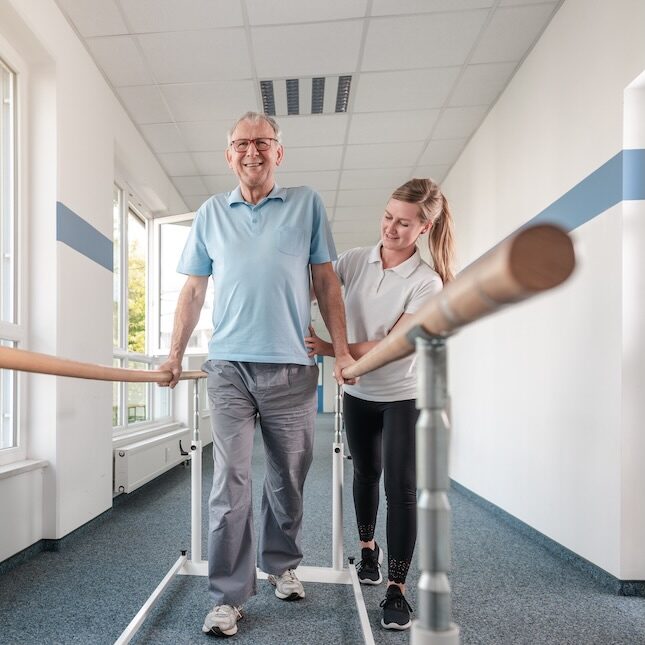
Our physiotherapy team provides personalised care to help you move with greater confidence, build strength and work towards your goals.





FAQs
It’s rehabilitation after surgery designed to reduce pain and swelling, restore movement, rebuild strength, and help you return safely to work, sport, and everyday activities.
This depends on your procedure and surgeon’s instructions. Some patients start within a few days for education and gentle movement, while others begin after 1–2 weeks.
Early on, weekly sessions are common to monitor your progress and adjust your program. As you improve, sessions may spread out to every 2–3 weeks until you reach full function.
Yes. We always work in line with your surgeon’s post-op guidelines and adjust your program to match your healing and goals.
This varies depending on your surgery and role. Desk-based work may be possible in a few weeks, while manual work or sport can take several months. We’ll create a clear plan with progress markers so you know when it’s safe to return.
The timing depends on the type of surgery and your surgeon’s instructions. Some procedures benefit from starting within days to focus on swelling control and gentle movement, while others may begin after 1–2 weeks. Your physiotherapist will work with your surgeon’s protocol to ensure you start safely and progress at the right pace.
Physiotherapists cannot directly refer you for surgery, but they play an important role in recognising when surgical review may be needed. If physio and conservative care are not enough, we’ll communicate with your GP or specialist to arrange further assessment.
The timing depends on the type of surgery and your surgeon’s instructions. Some procedures benefit from starting within days to focus on swelling control and gentle movement, while others may begin after 1–2 weeks. Your physiotherapist will work with your surgeon’s protocol to ensure you start safely and progress at the right pace.
Some public hospitals offer short-term physiotherapy after surgery, often for inpatients or immediately post-discharge. Access is usually limited, so most patients choose ongoing private physiotherapy to ensure they receive consistent, personalised care throughout their recovery.
Yes, post-op physio is recommended after carpal tunnel release. Treatment focuses on reducing swelling and scar sensitivity, restoring hand mobility, and strengthening grip so you can return to daily activities comfortably.
Prehab is strongly recommended before ACL reconstruction. A program of strengthening, balance, and range-of-motion exercises can improve post-op outcomes, speed up recovery, and help you return to sport or activity more confidently.
Yes. Even with minimally invasive (keyhole) surgery, physio is essential to protect the repair, restore range of motion, and gradually rebuild shoulder and scapular strength. Without rehab, stiffness and weakness can linger.
Yes. After a SLAP repair, physiotherapy helps restore shoulder mobility, retrain stability, and build strength in the rotator cuff and scapular muscles. Recovery is gradual and guided carefully to avoid stressing the repair too early.
Physio after tendon repair focuses on protecting the repair while gradually restoring movement. Treatment may include guided exercises, scar management, splint education, and progressive hand strengthening to regain dexterity and function.
Yes, in some cases. Eligible patients with chronic conditions may access allied health services through a GP Chronic Condition Management Plan. The plan may provide Medicare rebates for up to five individual allied health services per calendar year. The Medicare rebate covers only part of our consultation fee, so an out-of-pocket gap may apply. You must be referred by your GP and you need to bring your Medicare card with you. If you have any queries regarding this service, please don’t hesitate to speak with our staff or discuss your eligibility with your GP.
Following a comprehensive assessment, including functional testing and physical examination, we shall establish a preliminary diagnosis and discuss your treatment options and expected outcomes with you.
Treatment may involve different options for relieving pain, restoring function, flexibility and strength.
You will learn techniques to use at home to manage your problem, which may include preventative measures and exercise.
During your consultation, please feel free to ask ass any questions as you wish. A good understanding of your condition is important for your recovery. This includes your likely recovery time, number of sessions required and future exercise advice.
We may liaise with others involved in your care., If applicable, we shall also refer you onto other health professionals to play a role in your recovery.
You are welcome to wear whatever you are most comfortable in. For Exercise sessions and classes, please wear exercise clothes and a pair of socks, making sure you able to move freely
Please bring along any doctor’s referral letters, scan or x-ray results and your private health insurance card so you can claim for your treatment on the spot.
Your Physiotherapist will complete a thorough assessment of your complaint and then provide you with a preliminary diagnosis and appropriate treatments based on their findings. This will generally consist of some hands-on treatment, advice and often you will receive some exercises to do at home. Your Physiotherapist will also discuss with you their plan for management which will include likely recovery time, number of sessions required and future exercise advice.
We accept cash, EFTPOS, VISA and MasterCard. We use HaltH for eligible private health insurance claims and payments, allowing you to pay the remaining out-of-pocket amount after any eligible claim is processed.
Yes. Our physiotherapists can refer for X-rays, CT scans and MRI where appropriate. We will discuss whether imaging is needed based on your assessment.
Yes. Physiotherapists can provide medical certificates (sick notes) for issues related to musculoskeletal or physical health concerns. These certificates can cover time off work, recommendations for modified duties, or clearance for returning to regular activities.
We accept referrals for Compulsory Third-Party Insurance claims. Once you have seen your GP and received a claim number, we are able to send any invoices directly to the insurer. If you need to start treatment before you have a claim number, we shall ask you to cover the cost of the treatment and claim from the insurer later.
If you booked through HaltH, you can cancel or reschedule through the app. You can also call us on (02) 9810 2203.
We request that if you are unable to make a consultation or class that you let us know at least 24 hours prior to your appointment so that someone else can use your treatment time.
A $95 cancellation fee may apply when less than 24 hours’ notice is provided or an appointment is missed.
This practice takes great care to ensure that our information records are accurate and are treated with full regard to the privacy of our patients. We only collect information from our patients that is necessary for good health care and aim to ensure that any information we hold is accurate, complete and up-to-date.
The health information we hold helps us provide our patients with the best possible health care, and is disclosed only to others involved in your treatment, such as your doctor. If we need to disclose information about you to people other than those associated with your treatment, we will seek your permission first.
Occasionally we may be involved in research on health issues. If any data from this practice is used in research, it will not include information which identifies our patients.
This practice is bound by the Privacy Amendment (Private Sector) Act 2000, and operates in accordance with the Code of Conduct of the Australian Physiotherapy Association. If you would like to discuss any aspects of our privacy policy, or review your health records, please advise your treating Physiotherapist or Exercise Physiologist.