
Exercise for Cancer: The Medicine That Doesn’t Come in a Bottle
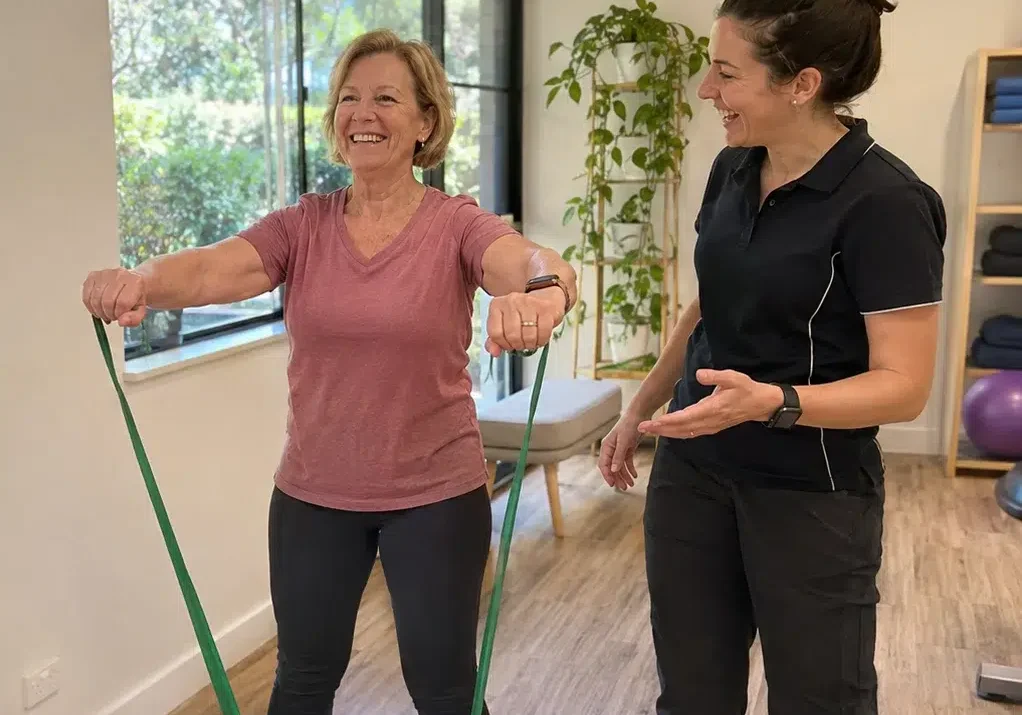
Most of us will know someone whose life has been affected by cancer. A parent, partner, friend or perhaps ourselves. Following a diagnosis, life can quickly become consumed by scans, appointments and treatment. Fatigue, loss of strength, disrupted sleep and uncertainty about what lies ahead often become part of daily life.
At a time when simply getting through the day can feel like enough, exercise may seem like the last thing anyone wants to think about. Yet, research has revealed something remarkable: exercise is increasingly being recognised as a treatment in its own right, helping people tolerate other treatments better, maintain physical function and recover more effectively afterwards.
Cancer and Its Treatment
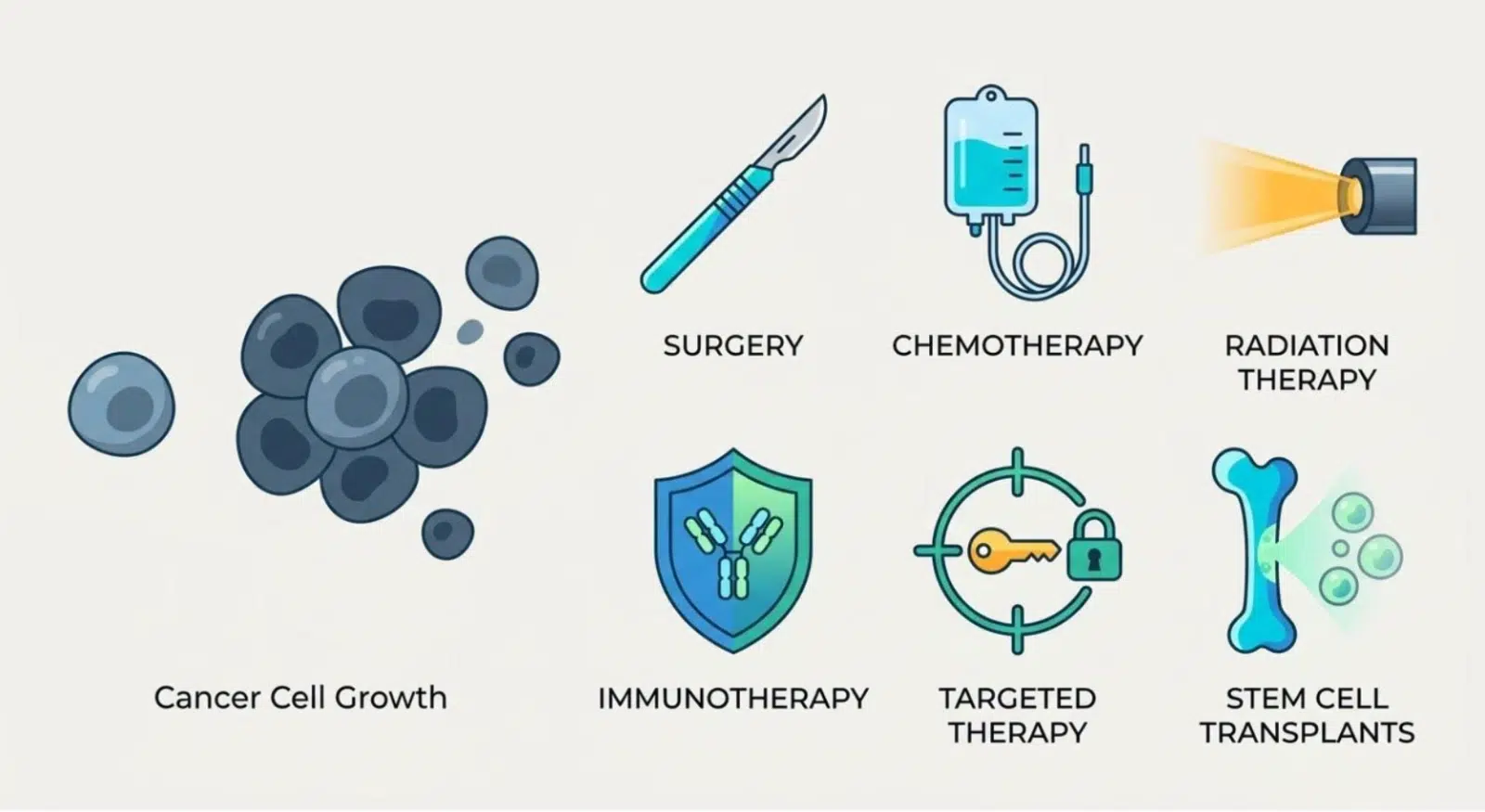
Cancer begins when cells in the body go rogue and start dividing fast, forming malignant tumours or spreading through the body. Treatment depends on the type and stage of cancer, and often combines several approaches:
- Surgery to remove the tumour
- Chemotherapy, drugs that attack fast-dividing cells
- Radiation therapy, high-energy beams to destroy cancer cells
- Hormone therapy, which blocks hormones that fuel some breast and prostate cancers
- Immunotherapy, which helps the immune system recognise and attack cancer cells
- Targeted therapy, drugs aimed at specific features of cancer cells
- Stem cell transplants, which replace damaged bone marrow
These treatments save lives, but they also ask a lot of the body. For instance, chemotherapy can break down muscle, add body fat, and damage nerve endings. Hormone therapy can thin the bones, cause joint and muscle pain, disrupt sleep and raise cholesterol level. Breast cancer surgery can leave the shoulder stiff and restricted. Radiation therapy can cause deep exhaustion, and carry long-term risks of heart and lung toxicity. Most of all, cancer treatment can cause profound fatigue.
Exercise is Medicine
When most people hear the word “exercise”, they think about fitness, weight loss or a healthy lifestyle habit that support general wellbeing. But exercise does something far more powerful in cancer care.
Every time muscles contract, they release hundreds of chemical messengers into the bloodstream that influence the immune system, metabolism, inflammation and many other processes throughout the body.2 Researchers now understand that exercise creates a cascade of biological responses that can help the body cope with cancer and its treatment.2 Exercise can help preserve muscle and strength, reduce treatment-related side effects, improve physical function and support recovery.3 Emerging research also suggests that exercise may directly influence the biological environment in which tumour exists, helping the body respond more effectively to treatment.3
Perhaps most remarkably, exercise has been shown to improve outcomes that genuinely matter. In a landmark international study of people treated for colorectal cancer, those who participated in a structured exercise program experienced substantially lower rates of cancer recurrence and better disease-free survival, compared to those who received standard health education alone.4
Although exercise is not a replacement for conventional medical treatments, it can play a powerful supporting role alongside them. In many ways, exercise functions like a medicine: it has a dose, it has a mechanism of action, and it produces measurable benefits throughout the body.
Is It Safe to Exercise During Cancer Treatment?
One of the most common questions people ask after a cancer diagnosis is, “Should I even be exercising?” The answer for most people is yes, with guidance from a trained clinician. And if you have never exercised before, it is often an excellent time to start with the right support. In fact, exercise is now recommended as part of modern cancer care because of the benefits it can provide before, during and after treatment.1 Studies have shown that people can safely exercise while undergoing treatments such as chemotherapy often experiencing less fatigue, better physical function and an improved quality of life compared with those who remain inactive.1,5
Many people also worry that exercise might make the cancer worse or cause it to spread. Fortunately, there is no evidence that this occurs. If anything, the evidence is pointing in the opposite direction. Large studies have shown that people who participate in structured exercise programs can experience better cancer outcomes and, for some cancers, a lower risk of recurrence.4
That doesn’t mean the same exercise program is right for everyone. The type of cancer you have, the treatment you are receiving, your fitness level, any recent surgery and whether cancer has affected your bones can all influence what type of exercise is most appropriate. This is why exercise during cancer treatment should be tailored to the individual rather than delivered through a one-size-fits-all approach, often requiring supervision from a trained clinician.
Perhaps the most important thing to remember is that exercise does not have to look like a bootcamp class or hours in the gym. For some people, it may involve aerobic and strength training. For others, recovering from surgery or experiencing other treatment side effects, it may simply be a short walk, or a few low-intensity exercises at home. The goal is not perfection, but to find an amount of exercise that matches a person’s current capacity.
Moving Through the Exhaustion
One of the biggest barriers to exercise during cancer treatment is also one of the reasons it is needed most: fatigue. Cancer-related fatigue can be profound and behaves differently from normal tiredness. Spending more time resting does not always restore energy, and over time, doing less can contribute to muscle loss, declining strength and fitness, and reduced confidence in what the body can do. This can create a frustrating cycle where everyday tasks become increasingly demanding.
While it may seem counterintuitive, exercise is the most effective treatment we have for cancer-related fatigue, helping people maintain their energy, physical function and independence throughout treatment and recovery. Evidence-based exercise is one of the few interventions consistently shown to reduce cancer-related fatigue and improve quality of life for people living with and beyond cancer.5,6
Benefits Beyond Fatigue
Exercise can also reduce many of the physical and emotional challenges people experience during and after cancer treatment.
Research shows appropriately prescribed exercise can help:
- Preserve muscle mass and strength, to support physical function, metabolic health and the body’s capacity to tolerate treatment.8
- Improve bone health, particularly important for those receiving hormone therapies associated with bone loss.9
- Help reduce joint and muscle pain commonly associated with hormone therapy.10
- Reduce risk and impact of neuropathy, including symptoms such as numbness, tingling, and temperature sensitivity.7
- Improve sleep quality, helping people cope better with treatment and recovery.8
- Maintain cardiovascular fitness, reducing the decline in physical capacity that often occurs during treatment.8
- Improve joint mobility and range of motion, including shoulder function following breast cancer surgery.14
- Reduce anxiety and depression, while improving overall quality of life.8
- Support recovery following surgery, helping people return to everyday activities sooner.16
- Improve long-term health, reducing the risk of cardiovascular disease, diabetes and osteoporosis after treatment.18
For many people, exercise becomes one of the few side-effect management strategies that improves both physical and mental wellbeing at the same time.
Finding the Right Support
Fatigue, treatment side effects, pain, surgery, loss of confidence and uncertainty about what is safe can all become barriers to getting moving. This is where an Exercise Physiologist can help. Exercise Physiologists are trained to prescribe exercise for people living with complex health conditions, including cancer. Programs can be tailored around a person’s diagnosis, treatment schedule, symptoms and goals, whether that means preparing for surgery, maintaining strength during chemotherapy or rebuilding fitness after treatment. The right program is not necessarily the hardest, but one that safely matches the person’s needs and helps them continue moving forward.
Taking Back a Small Piece of Control

A cancer diagnosis can leave people feeling as though much of life is suddenly outside their control. Appointments, scans, treatments and waiting for results can quickly dominate daily life. Exercise offers something different. It is one of the few aspects of care in which a person can take an active role in their own health and recovery. Every walk, strengthening exercise or movement session becomes an investment in physical function, confidence and long-term wellbeing. Whether the goal is reducing cancer risk, managing treatment side effects or rebuilding life after cancer, exercise provides a practical way to support both body and mind. Sometimes, taking back a small piece of control can make all the difference.
About the Author
Angel Nang is an Accredited Exercise Physiologist with experience working with people affected by cancer across both hospital and private practice settings, including within cancer services at Concord Hospital. Angel has worked with individuals preparing for treatment, managing treatment-related side effects and rebuilding strength and physical function following treatment. Her approach combines evidence-based exercise prescription with a strong focus on helping people maintain confidence and quality of life throughout their cancer journey.
References
- Cormie P, Atkinson M, Bucci L, et al. Clinical Oncology Society of Australia position statement on exercise in cancer care. Med J Aust. 2018;209(4):184–187. doi:10.5694/mja18.00199.
- Li A, Sun R, Wu Y, et al. The role of exercise-induced myokines in cancer-associated inflammation and immune regulation: mechanisms and prospects. Front Sports Act Living. 2026;8:1768179. doi:10.3389/fspor.2026.1768179.
- Gebhardt K, Krüger K. Supporting tumor therapy by exercise: boosting T cell immunity by myokines. Signal Transduct Target Ther. 2022;7:292. doi:10.1038/s41392-022-01116-6.
- Courneya KS, Vardy JL, O’Callaghan CJ, et al. Structured Exercise after Adjuvant Chemotherapy for Colon Cancer. N Engl J Med. 2025;393(1):13–25. doi:10.1056/NEJMoa2502760.
- Chen X, Li J, Chen C, et al. Effects of exercise interventions on cancer-related fatigue and quality of life among cancer patients: a meta-analysis. BMC Nurs. 2023;22:200. doi:10.1186/s12912-023-01363-0.
- Zhou S, Chen G, Xu X, et al. Comparative Efficacy of Various Exercise Types on Cancer-Related Fatigue for Cancer Survivors: A Systematic Review and Network Meta-Analysis of Randomized Controlled Trials. Cancer Med. 2025;14(7):e70816. doi:10.1002/cam4.70816.
- Streckmann F, Elter T, Lehmann HC, et al. Preventive Effect of Neuromuscular Training on Chemotherapy-Induced Neuropathy: A Randomized Clinical Trial. JAMA Intern Med. 2024;184(9):1046–1053. doi:10.1001/jamainternmed.2024.2354.
- Campbell KL, Winters-Stone KM, Wiskemann J, et al. Exercise Guidelines for Cancer Survivors: Consensus Statement from International Multidisciplinary Roundtable. Med Sci Sports Exerc. 2019;51(11):2375–2390. doi:10.1249/MSS.0000000000002116.
- Hayes SC, Newton RU, Spence RR, Galvão DA. The Exercise and Sports Science Australia position statement: Exercise medicine in cancer management. J Sci Med Sport. 2019;22(11):1175–1199. doi:10.1016/j.jsams.2019.05.003.
- Irwin ML, Cartmel B, Gross CP, et al. Randomized exercise trial of aromatase inhibitor-induced arthralgia in breast cancer survivors. J Clin Oncol. 2015;33(10):1104–1111. doi:10.1200/JCO.2014.57.1547.
- Nyrop KA, Callahan LF, Cleveland RJ, et al. Randomized Controlled Trial of a Home-Based Walking Program to Reduce Moderate to Severe Aromatase Inhibitor-Associated Arthralgia in Breast Cancer Survivors. Oncologist. 2017;22(10):1238–1249. doi:10.1634/theoncologist.2017-0174.
- Streckmann F, Elter T, Lehmann HC, et al. Preventive Effect of Neuromuscular Training on Chemotherapy-Induced Neuropathy: A Randomized Clinical Trial. JAMA Intern Med. 2024;184(9):1046–1053. doi:10.1001/jamainternmed.2024.2354.
- Kleckner IR, Kamen C, Gewandter JS, et al. Effects of Exercise During Chemotherapy on Chemotherapy-Induced Peripheral Neuropathy: A Multicenter Randomized Controlled Trial. Support Care Cancer. 2018;26(4):1019–1028. doi:10.1007/s00520-017-4013-0.
- McNeely ML, Campbell KL, Ospina M, et al. Exercise interventions for upper-limb dysfunction due to breast cancer treatment. Cochrane Database Syst Rev. 2010;(6):CD005211. doi:10.1002/14651858.CD005211.pub2.
- Lahart IM, Metsios GS, Nevill AM, Carmichael AR. Physical activity, risk of death and recurrence in breast cancer survivors: A systematic review and meta-analysis of epidemiological studies. Acta Oncol. 2015;54(5):635–654. doi:10.3109/0284186X.2014.998275.
- McIsaac DI, Kidd G, Gillis C, et al. Relative efficacy of prehabilitation interventions and their components: systematic review with network and component network meta-analyses of randomised controlled trials. BMJ. 2025;388:e081164. doi:10.1136/bmj-2024-081164.
- Peter MacCallum Cancer Centre. Prep-4 Cancer Surgery Toolkit. Patient and clinician resources for cancer surgery prehabilitation.
- McTiernan A, Friedenreich CM, Katzmarzyk PT, et al. Physical Activity in Cancer Prevention and Survival: A Systematic Review. Med Sci Sports Exerc. 2019;51(6):1252–1261. doi:10.1249/MSS.0000000000001937.
